Meta Title: Crypto Wallets Explained: Hot vs Cold Wallets & Security Guide
Meta Description: Learn how crypto wallets work, including hot wallets, cold wallets, custodial and non-custodial wallets, hardware wallets, seed phrases, private keys, and crypto security tips.
Focus Keyword: Crypto Wallets Explained
Secondary Keywords: crypto wallet, hot wallet vs cold wallet, custodial wallet, non-custodial wallet, hardware wallet, seed phrase, private key, crypto wallet security, Bitcoin wallet, cryptocurrency wallet
Cryptocurrency has changed the way people think about digital ownership. Unlike money stored in a traditional bank account, cryptocurrency can be controlled directly through cryptographic keys. This is where crypto wallets become important.
If you are new to Bitcoin, Ethereum, stablecoins, or other digital assets, you have probably heard terms such as hot wallet, cold wallet, hardware wallet, custodial wallet, non-custodial wallet, private key, and seed phrase.
These terms can sound technical, but the basic concepts are easier to understand once they are explained clearly.
A crypto wallet does not work exactly like a physical wallet. Your cryptocurrency is generally recorded on a blockchain, while the wallet helps you manage the cryptographic keys and addresses needed to interact with those assets.
Choosing and using a wallet also involves an important trade-off between convenience, accessibility, control, and security.
In this complete guide, we will explain how crypto wallets work, the difference between hot and cold wallets, custodial and non-custodial wallets, hardware wallets, seed phrases, private keys, wallet addresses, transaction signing, and practical security practices for beginners.
Important: This article is for educational purposes only and is not financial, investment, legal, or security advice. Cryptocurrency involves risks, and users should research any wallet or service before using it.
What Is a Crypto Wallet?
A cryptocurrency wallet is a software application, hardware device, or other system used to manage the cryptographic keys associated with blockchain assets.
One of the most important things beginners should understand is this:
Your crypto is not physically stored inside your wallet.
Instead, blockchain networks maintain records of transactions and asset ownership.
The wallet manages information that allows you to interact with those blockchain records.
Depending on the wallet type, it may allow you to:
- Receive cryptocurrency
- Send cryptocurrency
- View balances
- Generate addresses
- Sign transactions
- Connect to decentralized applications
- Manage multiple blockchain accounts
- Store or protect private keys
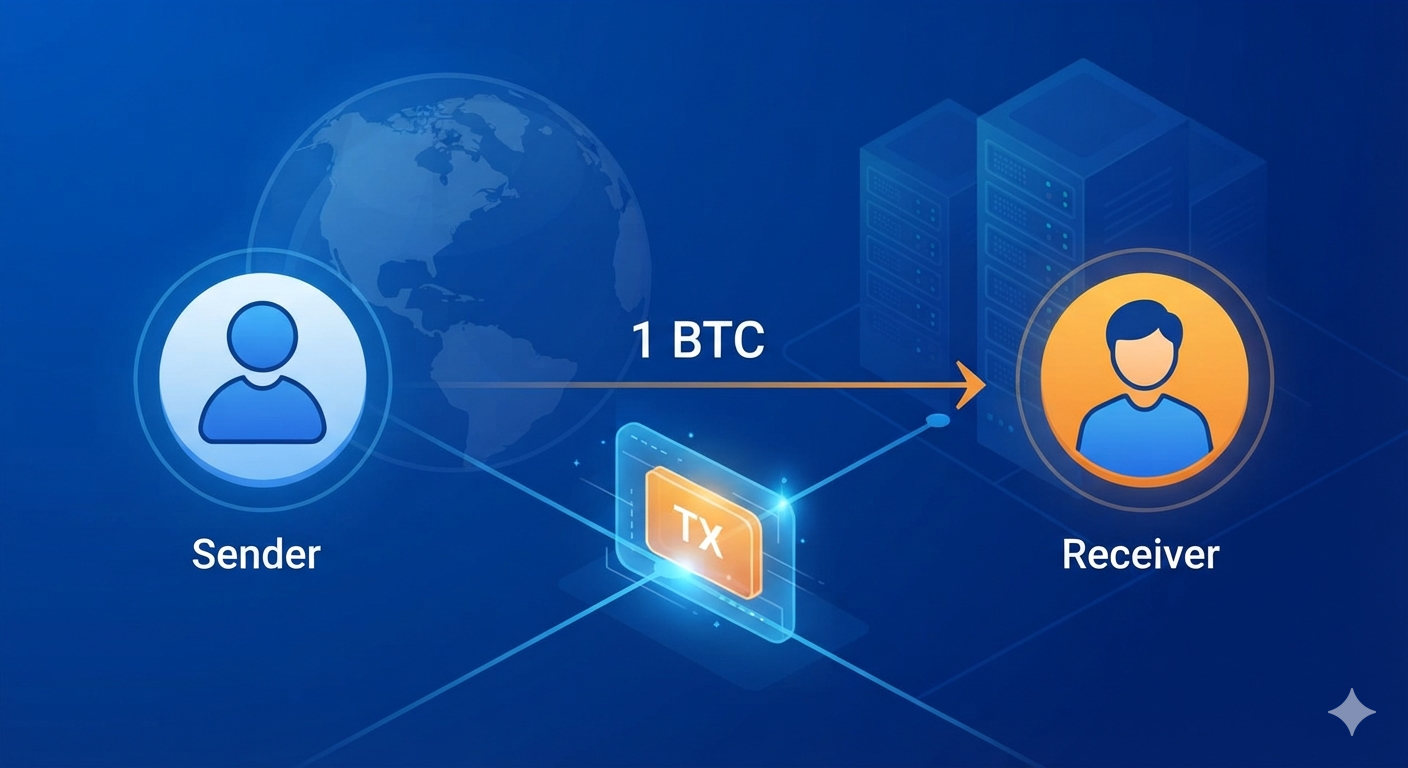
For example, if someone sends Bitcoin to your Bitcoin address, the Bitcoin blockchain records the transaction. Your wallet provides the tools needed to view and control the Bitcoin associated with the relevant keys.
How Do Crypto Wallets Work?
To understand wallets, it helps to understand three basic concepts:
- Blockchain address
- Public key
- Private key
A wallet can generate or manage cryptographic key pairs.
The public side can be used to derive information that allows others to send assets to you.
The private key is secret and is used to authorize certain transactions.
In simple terms:
Public information = can be shared
Private key = must remain secret
When you send cryptocurrency, your wallet uses the appropriate private key to produce a digital signature.
The network can verify that signature without requiring the private key itself to be revealed.
This is one of the fundamental security mechanisms behind cryptocurrencies.
What Is a Crypto Wallet Address?
A wallet address is an identifier used to receive cryptocurrency on a particular blockchain.
For example, someone sending you Bitcoin needs a Bitcoin-compatible receiving address.
Different blockchains use different address systems.
A Bitcoin address is not necessarily compatible with an Ethereum transaction.
Likewise, sending an asset using an incompatible network can cause serious problems.
Before transferring cryptocurrency, always check:
- The asset
- The blockchain network
- The recipient address
- Any required memo or tag
- The transaction fee
Never assume that an address or network is compatible simply because two services use similar terminology.
What Is a Private Key?
A private key is sensitive cryptographic information that can be used to authorize transactions involving assets controlled by that key.
Think of it as an extremely important secret credential.
If someone gains access to your private key, they may be able to transfer the associated cryptocurrency.
That is why private-key security is fundamental to cryptocurrency self-custody.
You should never:
- Share your private key
- Post it online
- Send it through social media
- Enter it into an unknown website
- Give it to someone claiming to be support
A crypto service asking for your private key or recovery phrase should be treated as a major warning sign.
What Is a Seed Phrase?
A seed phrase, also called a recovery phrase or backup phrase, is a sequence of words generated by many cryptocurrency wallets.
It can be used to recover wallet accounts and the associated cryptographic keys.
A seed phrase might consist of a specific number of words, depending on the wallet standard.
For example, many wallets use 12 or 24-word recovery phrases.
The important point is that the seed phrase can provide powerful access to the wallet.
If someone obtains your seed phrase, they may be able to restore the wallet on another compatible device and access its assets.
Therefore:
Your seed phrase should be treated like the master backup to your wallet.
Why Should You Never Share Your Seed Phrase?
A common cryptocurrency scam involves someone pretending to be:
- Wallet support
- Exchange support
- A blockchain administrator
- A security specialist
- A technical expert
They may claim that your wallet needs verification or recovery.
Then they ask for your seed phrase.
This is a major red flag.
A legitimate support process should not require you to hand over your recovery phrase so someone else can control your wallet.
Never share your seed phrase with:
- Friends
- Strangers
- Online support accounts
- Social-media contacts
- Investment groups
- Giveaway organizers
- Anyone claiming they can recover your funds
How Should You Store a Seed Phrase?
Your seed phrase should be protected from both digital theft and physical loss.
Avoid storing it casually in:
- Social media
- Public cloud notes
- Unencrypted documents
- Messaging apps
- Screenshots
- Photos
A written backup stored in a secure physical location can be preferable to an easily accessible digital copy.
Some users also consider specialized metal backup systems designed to withstand physical damage.
The correct approach depends on your circumstances, but the principle is straightforward:
Protect the recovery phrase from unauthorized access, loss, theft, and physical destruction.
What Are Hot Wallets?
A hot wallet is a cryptocurrency wallet that is connected to the internet or designed for frequent online interaction.
Examples include:
- Mobile wallets
- Browser wallets
- Desktop wallets
- Web-based wallets
Hot wallets are popular because they are convenient.
You can install or access them relatively quickly and use them for everyday blockchain activities.
For example, a hot wallet may be useful for:
- Small transactions
- Using decentralized applications
- Swapping tokens
- Testing blockchain applications
- Everyday crypto activity
However, internet connectivity can expose hot wallets to additional online threats.
Advantages of Hot Wallets
Hot wallets can provide several practical benefits.
Easy Access
You can usually access them from a smartphone, browser, or computer.
Convenient Transactions
They are useful when you frequently send or receive cryptocurrency.
dApp Compatibility
Many hot wallets can connect directly to decentralized applications.
Simple Setup
Many software wallets can be created within minutes.
Lower Entry Cost
Many hot wallets are free to download and use, although blockchain transactions may still involve network fees.
Risks of Hot Wallets
The convenience of hot wallets comes with security considerations.
Because they interact with internet-connected devices, they may be exposed to threats such as:
- Malware
- Phishing
- Fake applications
- Browser attacks
- Malicious websites
- Compromised devices
- Social engineering
The wallet itself may be well designed while the user’s device or browsing behavior introduces vulnerabilities.
For this reason, users should carefully consider how much cryptocurrency they keep in an internet-connected wallet.
What Are Cold Wallets?
A cold wallet is a wallet or key-management approach designed to keep private keys offline or isolated from internet-connected environments.
Cold storage is commonly used for assets that do not need to be accessed frequently.
A common example is a hardware wallet.
The basic idea is:
Less online exposure can reduce certain categories of digital attack risk.
However, cold storage does not mean that the assets are completely risk-free.
Users still need to protect:
- Recovery phrases
- Hardware devices
- PINs
- Backup information
- Transaction approvals
Physical theft, loss, malicious transaction signing, or poor backup practices can still create problems.
Hot Wallet vs Cold Wallet
The difference can be summarized simply:
| Feature | Hot Wallet | Cold Wallet |
|---|---|---|
| Internet exposure | Generally higher | Generally lower |
| Convenience | High | Moderate |
| Frequent transactions | Suitable | Less convenient |
| Long-term storage | Depends on risk | Commonly used |
| Typical example | Mobile/software wallet | Hardware wallet |
| Security model | More online exposure | More offline isolation |
| Setup | Usually simple | May require additional steps |
Neither category is automatically perfect for every user.
The right approach depends on how the wallet is being used, how frequently transactions are made, and how much responsibility the user wants to take for key management.
What Is a Hardware Wallet?
A hardware wallet is a physical device designed to protect cryptocurrency private keys and facilitate secure transaction signing.
Hardware wallets are generally designed so that private keys remain isolated from ordinary internet-connected computing environments.
When you want to make a transaction, the device can sign it according to its security model.
The signed transaction can then be broadcast to the blockchain network.
A hardware wallet may include features such as:
- PIN protection
- Secure key storage
- Transaction confirmation on the device
- Recovery phrase backup
- Support for multiple assets
Exact features differ between manufacturers and models.
How Does a Hardware Wallet Work?
Suppose you want to send cryptocurrency using a hardware wallet.
A simplified process looks like this:
Step 1: Create or Import a Wallet
The device generates or restores the necessary cryptographic keys.
Step 2: Secure the Device
You create a PIN or other security mechanism depending on the device.
Step 3: Prepare a Transaction
A computer or mobile application prepares the transaction.
Step 4: Review the Transaction
The hardware wallet can display transaction information for verification.
Step 5: Approve and Sign
The device uses the private key to sign the transaction.
Step 6: Broadcast
The signed transaction is sent to the blockchain network.
The key benefit is that the private key can remain protected within the hardware device rather than being exposed directly to the connected computer.
Are Hardware Wallets Completely Safe?
No.
Hardware wallets can significantly change the security model, but they are not magic devices that eliminate all risk.
Potential risks include:
- Buying a counterfeit device
- Losing the device
- Losing the recovery phrase
- Forgetting the PIN
- Approving a malicious transaction
- Falling for phishing
- Installing fake wallet software
- Revealing recovery information
Users should purchase hardware wallets through legitimate channels and follow the manufacturer’s security instructions.
What Is a Custodial Wallet?
A custodial wallet is a wallet arrangement where another organization controls the private keys on behalf of the user.
Centralized cryptocurrency exchanges commonly provide custodial services.
For example, when you deposit Bitcoin into an exchange account, the exchange may control the private keys associated with the deposited funds.
The user sees a balance in their account, but the exchange manages the underlying blockchain keys.
Advantages of Custodial Wallets
Custodial services can be convenient, especially for beginners.
Potential benefits include:
- Easy account recovery
- Simple user interfaces
- Integrated trading
- Customer support
- Fiat payment options
- Reduced responsibility for private-key backups
If you forget a traditional exchange password, the platform may offer account recovery options.
This is different from self-custody, where losing your recovery information can potentially result in permanent loss of access.
Risks of Custodial Wallets
Custody introduces counterparty risk.
The user is trusting the service to:
- Protect funds
- Maintain appropriate security
- Process withdrawals
- Operate reliably
- Follow applicable rules
A custodial platform can potentially experience:
- Security breaches
- Operational problems
- Withdrawal restrictions
- Account freezes
- Regulatory issues
- Insolvency
This does not mean every custodial service will experience these problems. It means the user does not have the same level of direct key control as they would with self-custody.
What Is a Non-Custodial Wallet?
A non-custodial wallet is a wallet where the user controls the private keys.
This is commonly described as:
“You control the keys.”
The wallet provider may create the software, but the user controls the cryptographic credentials.
Non-custodial wallets provide greater direct control, but that control comes with greater responsibility.
If you lose your seed phrase and have no valid backup, there may be no company capable of restoring your wallet.
Custodial vs Non-Custodial Wallets
| Feature | Custodial | Non-Custodial |
|---|---|---|
| Who controls keys? | Service provider | User |
| Account recovery | Often available | Usually depends on backup |
| Convenience | Generally high | Requires more responsibility |
| Private-key management | Provider | User |
| Counterparty risk | Higher | Lower in that specific respect |
| User responsibility | Lower | Higher |
Neither model eliminates all risks.
Custodial wallets shift some responsibilities to a third party.
Non-custodial wallets give users greater control but require stronger personal security practices.
What Is Self-Custody?
Self-custody means controlling your own cryptocurrency keys instead of relying on a third party to hold them for you.
It can provide direct control over blockchain assets.
However, self-custody also means that the user becomes responsible for:
- Private keys
- Seed phrases
- Wallet backups
- Device security
- Transaction verification
- Recovery procedures
The phrase often associated with self-custody is:
“Not your keys, not your coins.”
This phrase summarizes the distinction between having direct key control and relying on a custodian.
Software Wallets Explained
Software wallets are applications that run on devices such as smartphones or computers.
They can be:
- Mobile wallets
- Desktop wallets
- Browser extensions
- Web applications
Software wallets are generally convenient and can support interaction with many blockchain applications.
However, their security depends partly on the device and environment in which they operate.
A compromised computer or phone can potentially expose users to malware and phishing.
Mobile Wallets
Mobile wallets run on smartphones.
They can be useful for:
- Everyday transactions
- QR-code payments
- Small balances
- Mobile decentralized applications
However, smartphones can be lost, stolen, infected with malicious software, or compromised through social engineering.
Users should use strong device security and maintain secure wallet backups.
Desktop Wallets
Desktop wallets run on personal computers.
They can provide more functionality than some mobile wallets.
However, the computer itself becomes part of the security model.
Users should be cautious about:
- Malware
- Pirated software
- Suspicious downloads
- Browser extensions
- Phishing
- Remote-access scams
Keeping your operating system and security software updated can help reduce certain risks.
Browser Wallets
Browser wallets typically operate as browser extensions or web-based applications.
They are particularly common in decentralized finance and blockchain applications.
They can make it easy to connect to websites and approve blockchain transactions.
However, this convenience creates another important security consideration:
Always understand what a website is asking your wallet to approve.
A transaction can potentially transfer assets or grant permissions that you did not intend to provide.
What Is Transaction Signing?
Transaction signing is the cryptographic process used to authorize a blockchain transaction.
When you send cryptocurrency, the wallet uses the relevant private key to create a digital signature.
The blockchain network can verify that signature.
Importantly, the private key itself does not need to be publicly revealed.
This allows blockchain networks to verify authorization while keeping private credentials secret.
Why Wallet Security Is So Important
Traditional banking systems often provide mechanisms for:
- Password resets
- Fraud investigations
- Transaction disputes
- Account recovery
Cryptocurrency self-custody can work differently.
If you accidentally send assets to the wrong address or lose access to your private keys, recovery may not be possible.
This is why wallet security is not simply a technical issue.
It is an essential part of managing digital assets.
Common Crypto Wallet Scams
Beginners should be aware of common wallet-related scams.
Fake Wallet Apps
Scammers can create applications that look like legitimate wallets.
Downloading from unofficial sources can expose users to theft.
Fake Customer Support
Someone may contact you and claim that they can fix your wallet.
They then ask for your seed phrase.
Do not provide it.
Phishing Websites
A website may imitate a legitimate wallet or decentralized application.
It can ask users to enter sensitive information or connect their wallets.
Fake Recovery Services
Scammers may promise to recover lost cryptocurrency for an upfront payment.
They may then request additional payments or sensitive information.
Malicious Airdrops
An unknown token may appear in your wallet and direct you to a website.
Connecting your wallet or approving a transaction on the site may expose you to risk.
Best Crypto Wallet Security Practices
Security starts with simple habits.
1. Never Share Your Seed Phrase
This is one of the most important rules.
No legitimate stranger needs your recovery phrase to “verify” your wallet.
2. Download Wallets From Official Sources
Avoid random download links and suspicious advertisements.
3. Verify the Website
Check the domain carefully before connecting a wallet.
Phishing websites often use names that look similar to legitimate services.
4. Keep Your Device Secure
Use:
- Strong passwords
- Screen locks
- Device encryption
- Security updates
- Trusted applications
5. Use Multi-Factor Authentication Where Available
For custodial exchanges and related accounts, MFA can add an additional layer of account protection.
6. Separate Everyday Funds From Long-Term Holdings
Some users choose to keep smaller amounts in convenient hot wallets while using more isolated storage for larger long-term holdings.
This is a risk-management approach, not a guarantee of safety.
7. Verify Transactions
Check:
- Recipient
- Amount
- Network
- Contract
- Fees
- Permissions
before signing.
8. Keep Recovery Backups Secure
Make sure your recovery method is available if your device is lost or damaged.
9. Do Not Trust Urgent Messages
Scammers often create urgency by claiming that your account will be closed or funds will disappear unless you act immediately.
Take time to verify the claim independently.
10. Test New Processes With Small Amounts
When appropriate, beginners can consider using a small transaction to verify an unfamiliar process before transferring larger amounts.
What Is Wallet Backup?
A wallet backup is information that can help restore access to your wallet.
For many wallets, this is a seed or recovery phrase.
The backup is extremely important because the original phone, computer, or hardware device can be lost or damaged.
However, a backup is only useful if it is both:
- Accessible to the rightful owner
- Protected from unauthorized people
A backup stored where anyone can find it creates a different security problem.
What Happens If You Lose Your Phone?
If you are using a non-custodial wallet and have securely backed up the recovery phrase, you may be able to restore the wallet on another compatible device.
If you are using a custodial service, account recovery may work differently and usually depends on the provider’s recovery procedures.
This is why understanding whether a wallet is custodial or non-custodial is important before using it.
What Happens If You Lose a Hardware Wallet?
Losing the physical device does not necessarily mean losing the cryptocurrency.
If you have a valid recovery backup and the wallet follows a compatible recovery standard, you may be able to restore access using another compatible device.
However, if the recovery phrase is also lost, recovery may become impossible.
The recovery phrase is therefore often more important than the physical wallet itself.
Can Someone Steal Crypto Without Your Seed Phrase?
Yes.
A seed phrase is not the only security risk.
Attackers can potentially exploit:
- Private keys
- Malware
- Exchange accounts
- Weak passwords
- Phishing
- Malicious transaction approvals
- SIM-related attacks
- Compromised devices
- Social engineering
For example, you might approve a malicious transaction while your seed phrase remains completely secret.
This is why wallet security requires more than simply protecting one piece of information.
What Is Wallet Draining?
A wallet-draining attack occurs when a user unknowingly authorizes transactions or permissions that allow an attacker to transfer assets.
This can happen through malicious websites, deceptive token approvals, phishing, or fraudulent decentralized applications.
Users should carefully review what they are signing.
Do not connect your wallet to unknown websites simply because someone promises:
- Free tokens
- Guaranteed profits
- Exclusive NFTs
- Rewards
- Airdrops
How Should Beginners Choose a Crypto Wallet?
There is no single wallet that is perfect for everyone.
Instead, consider your intended use.
For Learning and Small Transactions
A reputable software wallet can be convenient.
For Frequent dApp Interaction
A compatible browser or mobile wallet may provide the required functionality.
For Long-Term Self-Custody
Some users consider hardware wallets or other cold-storage approaches.
For Trading
A custodial exchange account may provide convenient access to trading services.
The important question is not simply:
“Which wallet is the best?”
Instead ask:
“Which custody model and security setup fit my needs and risk tolerance?”
Crypto Wallet Security Checklist
Before using a wallet, ask yourself:
Wallet Setup
- Did I download the wallet from an official source?
- Did I verify the application?
- Did I create a secure backup?
Seed Phrase
- Is my recovery phrase private?
- Is it stored securely?
- Do I know how recovery works?
Transactions
- Did I verify the address?
- Did I verify the blockchain network?
- Did I check the amount and fee?
Device
- Is my device protected?
- Are software updates installed?
- Am I using trustworthy applications?
Online Safety
- Did I verify the website?
- Am I avoiding suspicious links?
- Did I understand the transaction I am signing?
Custody
- Do I know who controls my private keys?
- Do I understand the risks of the platform I am using?
Hot Wallet vs Cold Wallet: Which Should You Use?
The answer depends on your circumstances and how you use cryptocurrency.
Hot wallets generally prioritize accessibility and convenience.
Cold wallets generally prioritize reducing online exposure.
A user who makes frequent small transactions may value convenience.
Someone holding cryptocurrency for a longer period may prioritize stronger isolation from internet-connected systems.
Some users combine both approaches.
For example:
Hot wallet → smaller amount for regular activity
Cold storage → longer-term holdings
This type of setup can separate everyday activity from long-term storage.
However, every setup has its own risks and should be configured carefully.
Common Crypto Wallet Mistakes Beginners Make
Mistake 1: Sharing the Seed Phrase
This can expose the entire wallet.
Mistake 2: Using Fake Apps
Always verify the source.
Mistake 3: Sending to the Wrong Network
Different blockchains use different systems.
Mistake 4: Approving Unknown Transactions
Read what your wallet is asking you to sign.
Mistake 5: Keeping Everything in One Wallet
Separating funds can reduce the impact of certain mistakes.
Mistake 6: Ignoring Backups
A wallet without a reliable recovery method can become inaccessible if the device is lost.
Mistake 7: Trusting Social Media Support
Scammers frequently impersonate support accounts.
Mistake 8: Chasing Free Crypto
Promises of easy rewards can be used to trick users into signing malicious transactions.
Crypto Wallets and Privacy
Wallet addresses are often visible on public blockchains.
This means blockchain activity can potentially be analyzed.
Even when an address does not directly display a person’s name, transactions may be connected through:
- Exchange records
- Blockchain analysis
- Public posts
- Reused addresses
- Transaction patterns
Users who care about financial privacy should understand that blockchain transparency can make transaction histories observable.
Privacy features also differ significantly between cryptocurrencies and wallet systems.
Crypto Wallets and Decentralized Applications
Many wallets can connect to decentralized applications, commonly called dApps.
Examples include applications related to:
- Decentralized exchanges
- Lending
- Gaming
- NFTs
- Digital identity
- Blockchain-based financial services
When you connect a wallet to a dApp, you may be asked to approve transactions or permissions.
Connecting a wallet does not automatically mean that a website can take your funds.
However, approving a malicious transaction or permission can create serious risks.
Always understand what you are approving.
How to Safely Test a New Wallet
If you are unfamiliar with a wallet, start by learning its features before transferring significant funds.
A cautious process can include:
- Download the wallet from its official source.
- Verify that you are using the legitimate application.
- Create the wallet.
- Secure the recovery phrase.
- Learn how recovery works.
- Receive a small amount.
- Test a small transaction.
- Confirm that the transaction works correctly.
- Learn how to revoke or manage permissions if the wallet supports dApps.
- Only then consider using it for larger amounts.
This process helps you understand the wallet before relying on it for important assets.
Frequently Asked Questions About Crypto Wallets
What is a crypto wallet?
A crypto wallet is a software application, hardware device, or system used to manage cryptographic keys and interact with blockchain assets.
Does a crypto wallet actually store cryptocurrency?
The blockchain records the cryptocurrency. A wallet manages the keys and information needed to interact with those assets.
What is the difference between hot and cold wallets?
Hot wallets are generally connected to the internet, while cold wallets are designed to keep keys offline or more isolated from online environments.
What is a custodial wallet?
A custodial wallet is a service where another organization controls the private keys on behalf of the user.
What is a non-custodial wallet?
A non-custodial wallet gives the user control of the private keys.
What is a hardware wallet?
A hardware wallet is a physical device designed to protect private keys and securely sign cryptocurrency transactions.
What is a seed phrase?
A seed phrase is a sequence of words that can be used to restore a compatible cryptocurrency wallet and its associated keys.
Can I share my seed phrase?
No. Your recovery phrase should be treated as highly sensitive information.
What happens if I lose my hardware wallet?
If you have a valid recovery backup, you may be able to restore the wallet using another compatible device.
Are hot wallets unsafe?
Hot wallets are not automatically unsafe, but their internet connectivity creates additional exposure to certain online threats.
Are cold wallets completely safe?
No. Cold storage can reduce certain online risks but does not eliminate physical, operational, phishing, or transaction-related risks.
Should beginners use a hardware wallet?
A hardware wallet may be useful for users who want a more isolated key-management approach, particularly for longer-term self-custody. Beginners should first understand how recovery phrases and transaction signing work.
Can a wallet be hacked?
Wallet-related losses can occur through compromised devices, phishing, malicious software, fraudulent transactions, or stolen credentials. The exact risk depends on the wallet and security setup.
Final Thoughts: Understanding Crypto Wallets
Crypto wallets are one of the most important concepts for anyone entering the world of cryptocurrency.
The key thing to understand is that a wallet does not simply “hold coins.” Instead, it manages cryptographic keys that allow users to interact with assets recorded on blockchain networks.
The main wallet categories include hot wallets, cold wallets, custodial wallets, non-custodial wallets, software wallets, and hardware wallets.
Hot wallets offer convenient access but generally involve greater online exposure. Cold-storage approaches can provide greater isolation from internet-connected systems but require careful backup and recovery practices.
Custodial wallets place key management with a third party, which can make account recovery and trading convenient. Non-custodial wallets give users direct control over their keys but also place responsibility for security and recovery on the user.
For anyone using cryptocurrency, protecting the seed phrase and private keys should be a top priority.
Remember these basic rules:
Never share your seed phrase.
Never share your private key.
Verify wallet software before installing it.
Check blockchain networks before sending funds.
Review transactions before signing them.
Be cautious with unknown websites and dApps.
Keep reliable backups.
Do not assume that a hardware wallet eliminates every risk.
As your understanding grows, you can explore more advanced topics such as multisignature wallets, transaction permissions, hardware-wallet security models, decentralized applications, blockchain privacy, and advanced self-custody practices.
The goal of good wallet management is not simply to find a wallet with the most features. It is to understand who controls the keys, how transactions are authorized, where the recovery information is stored, and what risks are involved in the setup you choose.
That knowledge is the foundation of responsible cryptocurrency self-custody.
Quick Crypto Wallet Glossary
Crypto Wallet: A tool for managing cryptographic keys and interacting with blockchain assets.
Hot Wallet: A wallet designed for online or internet-connected use.
Cold Wallet: A storage approach designed to keep keys offline or isolated from online systems.
Hardware Wallet: A physical device designed to protect private keys and sign transactions.
Custodial Wallet: A wallet service where a third party controls the private keys.
Non-Custodial Wallet: A wallet where the user controls the private keys.
Self-Custody: Holding and controlling your own cryptocurrency keys.
Private Key: Secret cryptographic information used to authorize transactions.
Public Key: Cryptographic information related to a private key and used in public verification systems.
Seed Phrase: A recovery phrase used to restore a compatible wallet.
Wallet Address: An identifier used to receive blockchain assets.
Transaction Signing: The process of cryptographically authorizing a blockchain transaction.
dApp: A decentralized application that interacts with blockchain networks.
Phishing: A technique used to trick users into revealing sensitive information or approving malicious actions.
Wallet Drainer: Malicious software or a deceptive process designed to cause users to authorize transfers of their assets.